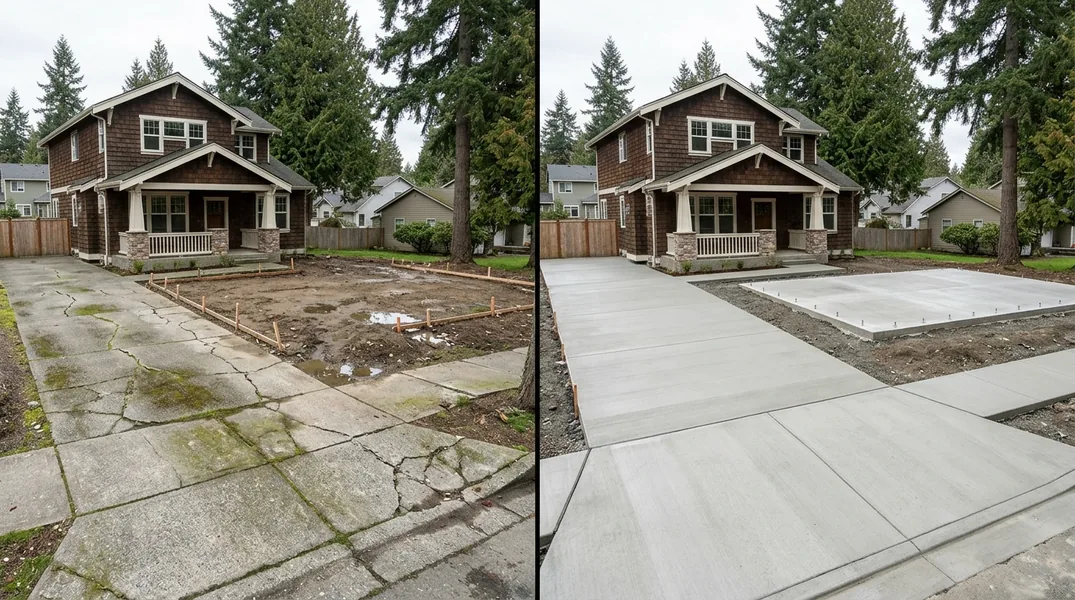
Understanding New Construction Concrete Slabs in Everett
Purchasing a new construction home is an exciting milestone, but it comes with unique responsibilities, especially when it comes to evaluating the foundation. In Everett, where soil conditions and weather patterns can vary across neighborhoods, understanding the concrete slab beneath your new home is critical before you sign closing documents. Many homebuyers focus on finishes, appliances, and layout while overlooking the foundation that literally supports everything else. This oversight can lead to costly problems down the road.
A new construction concrete slab serves as the base for your entire home's structural integrity. Unlike older homes built on different foundation types, most new builds in the Everett area use concrete slabs poured on grade or post-tensioned slabs, depending on soil bearing capacity and local building codes. Before closing, you have a limited window to request inspections and document any defects. Understanding what to look for, what questions to ask your builder, and what protections exist through your new home foundation warranty will empower you to make an informed decision and protect your investment.
What to Look for During a Builder Foundation Inspection
A thorough builder foundation inspection is one of the most important steps you can take before closing on a new construction home. This inspection should occur before the final walkthrough and ideally before you sign off on the home's completion. During this visit, you're looking for visible cracks, uneven surfaces, water stains, or signs of settling. Small hairline cracks (less than 1/8 inch wide) are often considered normal as concrete cures, but wider cracks, diagonal cracks, or cracks that run through multiple rooms warrant further investigation and documentation. A qualified inspector will also check for proper drainage around the foundation perimeter and verify that grading slopes away from the home to prevent water pooling.
Beyond visual inspection, a builder foundation inspection should include checking for proper concrete finishing, ensuring that the slab is level or slopes as intended, and verifying that any control joints (the intentional cuts in concrete) are properly placed and sealed. You should also inspect areas where utilities enter the home, as gaps or improper sealing around plumbing and electrical penetrations can lead to water intrusion and pest problems. Don't hesitate to bring a professional inspector or engineer if you have concerns. Many builders expect this and may even require it as part of their pre-closing process. Document everything with photos and written notes, as this creates a record of the slab's condition at the time of purchase.
New Home Foundation Warranty: What's Actually Covered
Every new home comes with a new home foundation warranty, but understanding what that warranty actually covers is essential. Most builder warranties in Washington State cover structural defects for a period of one to ten years, depending on the specific component and the builder's warranty program. Structural defects typically mean issues that compromise the integrity of the home's structure, such as significant settling, major cracks that affect load-bearing capacity, or problems that make the home unsafe or uninhabitable. However, warranty coverage often excludes minor cosmetic cracks, small settlement that doesn't affect the home's use, or damage resulting from homeowner negligence or natural disasters.
It's critical to read your warranty documentation carefully and ask your builder specific questions about what is and isn't covered. Some warranties include coverage for concrete slab defects, while others may only cover structural framing. Ask whether the warranty covers concrete repair or replacement if problems arise, and understand the process for filing a claim. Many builders require you to notify them in writing within a specific timeframe if you discover issues. Keep all warranty documents, receipts, and correspondence in a safe place. If you discover foundation problems after closing, your ability to pursue a claim depends on having clear documentation and proof that the defect was present at the time of purchase, which is why that pre-closing inspection is so valuable.
Common Concrete Slab Issues in New Builds
New construction concrete slabs can develop several types of problems, some of which may not be immediately apparent. Shrinkage cracks are among the most common issues and occur as concrete cures and loses moisture. These typically appear within the first year and are usually minor, but they should still be documented. More concerning are settlement cracks, which indicate that the soil beneath the slab is shifting or compacting unevenly. Settlement can occur if the builder didn't properly prepare the subgrade, didn't compact fill material adequately, or if the soil has higher moisture content than expected. In areas with clay-heavy soils common to parts of Everett, differential settlement is a particular concern.
Another issue to watch for is spalling or scaling, where the concrete surface begins to deteriorate and flake away. This can result from improper concrete mix design, exposure to de-icing salts, freeze-thaw cycles, or poor curing practices during construction. Efflorescence, the white powder or staining that sometimes appears on concrete, is usually cosmetic but can indicate water movement through the slab. If you notice any of these issues during your pre-closing inspection, document them thoroughly and discuss remediation options with your builder. Some issues may be minor and acceptable under warranty terms, while others may require the builder to address them before you close. If you have concerns about the quality of work or want professional assessment, contact Everett Concrete Pros at (425) 551-7377 for expert guidance.
Questions to Ask Your Builder Before Closing
Before you close on your new construction home, prepare a list of specific questions for your builder regarding the concrete slab and foundation. Ask about the concrete specifications, including the mix design, strength rating (typically measured in PSI), and any special additives used. Inquire about the subgrade preparation process and what measures were taken to ensure proper compaction and drainage. Ask whether the concrete was air-entrained, which is important for freeze-thaw resistance in climates like ours. Request information about any post-tensioning if applicable, including tension specifications and maintenance requirements. Understanding these technical details gives you confidence in the quality of work and provides a reference point if problems develop later.
You should also ask about the builder's inspection and testing protocols during construction. Did they perform concrete slump tests, air content tests, or compressive strength testing? Request copies of any testing documentation or third-party inspection reports. Ask about the warranty coverage for the concrete slab specifically, the process for filing claims, and the timeframe for reporting defects. Inquire about any known issues with the soil or site conditions that might affect the slab's performance. Finally, ask for the builder's contact information and the name of the superintendent or project manager who oversaw construction, so you know who to contact if issues arise after closing. These conversations demonstrate your engagement and often encourage builders to maintain higher standards.
Protecting Your Investment: Next Steps After Closing
Once you've closed on your new construction home, your responsibility for the concrete slab's care begins. Monitor your foundation during the first year, as this is when most concrete-related issues become apparent. Keep detailed records of any cracks, staining, or other changes you notice. Take photos and note dates, as this documentation becomes important if you need to file a warranty claim. Maintain proper drainage around your home by ensuring gutters and downspouts direct water away from the foundation, and keep the grading sloped away from the house. Avoid allowing water to pool against the foundation, as this can accelerate any existing or developing problems.
If you notice significant issues or have concerns about your slab's condition, don't wait to address them. The sooner you document and report problems to your builder, the better your chances of getting them covered under warranty. If your builder is unresponsive or disputes your claim, you may need to consult with a structural engineer or attorney who specializes in construction defects. For cosmetic issues or minor repairs that fall outside warranty coverage, Concrete Repair & Resurfacing services can address problems like cracks, spalling, or uneven surfaces. Everett Concrete Pros has extensive experience working with homeowners on foundation and slab issues and can provide professional assessment and repair recommendations. Reach out to us at (425) 551-7377 or visit our website for a free estimate if you need guidance on addressing any concrete concerns with your new home.
Looking for a professional concrete contractor in Everett? Everett Concrete Pros responds fast for all your concrete needs.
Get a Free QuoteOur services: Concrete Driveways · Concrete Patios · Stamped & Decorative Concrete